Article: How to Scent Small Spaces Without Overdoing It
How to Scent Small Spaces Without Overdoing It
A small space holds onto fragrance differently. In a bedroom, powder room, entryway, office, or apartment, even a beautiful scent can feel too strong when it has nowhere to travel. Learning how to scent small spaces is less about adding more fragrance and more about choosing a format, placement, and intensity that lets the room feel softly held.
The goal is not for guests to notice the fragrance before they notice the space. It is to create a quiet feeling when they walk in: comfort after a long day, confidence while getting ready, or a little moment of peace between everything life asks of you.
How to scent small spaces with balance
Start by thinking about how you want the room to feel, not simply what you want it to smell like. A compact bathroom may call for clean cotton, citrus, eucalyptus, or a gentle floral that feels freshly cared for. A bedroom often welcomes warmer notes such as vanilla, sandalwood, lavender, soft musk, or amber. For a workspace, a bright citrus, mint, or light woods fragrance can make the room feel clearer and more intentional without becoming distracting.
In a small room, fragrance needs room to breathe. Rich gourmands, heavy florals, and deep oud or leather profiles can be gorgeous, but they usually work best in a lighter format or for shorter periods. If you adore a bold scent, use less of it instead of abandoning it. One or two diffuser reeds, a brief candle burn, or a touch of perfume oil on a fabric accessory can give you the character you love without overwhelming the room.
Scent also behaves differently with heat, humidity, airflow, and textiles. A sunny bathroom may diffuse fragrance quickly, while a closet lined with sweaters can hold onto it for days. There is no single perfect formula. Let the room tell you what it needs.
Choose the right fragrance format
The best way to scent a small space depends on whether you want a constant background aroma, a quick mood shift, or a more intimate ritual. A few thoughtfully chosen formats offer more control than trying to make one product do everything.
Reed diffusers for a gentle everyday presence
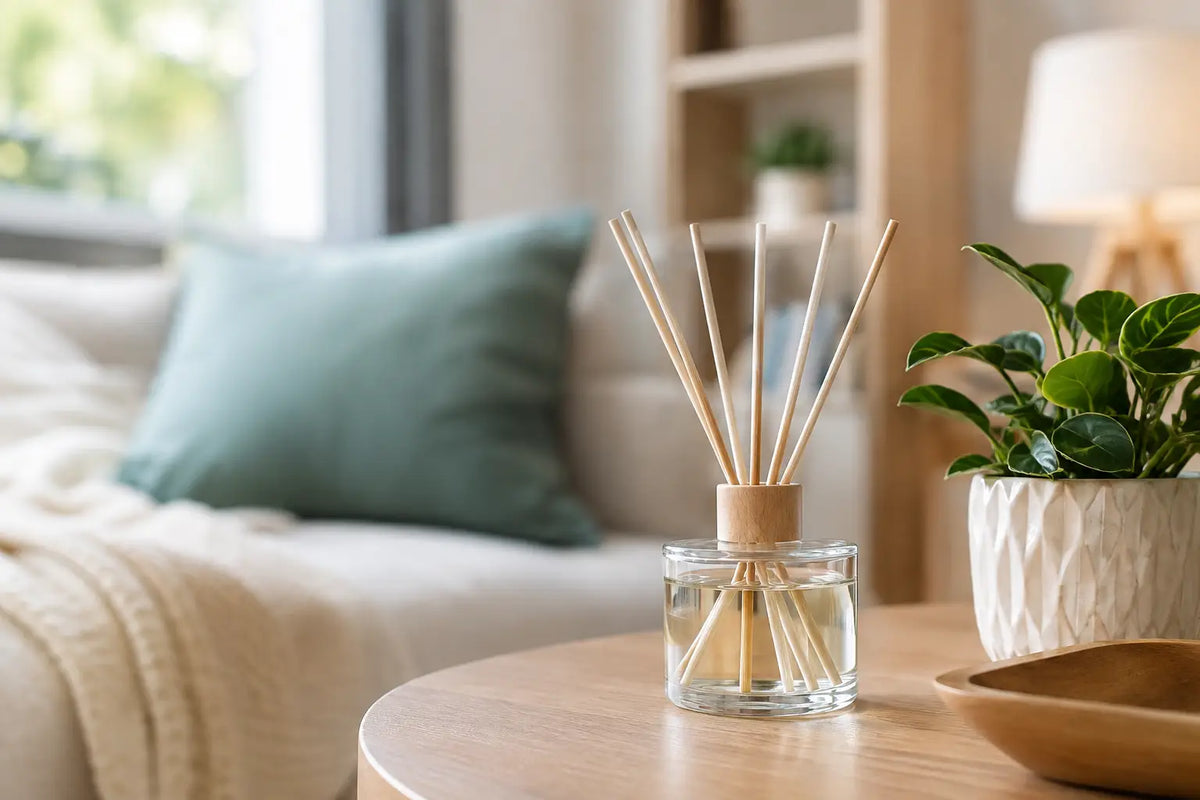
Reed diffusers are especially lovely in small rooms because they release fragrance gradually, without flame or electricity. Place one on a stable surface where it will not be knocked over, such as a bathroom counter, entry table, or bookshelf. Keep it away from direct sunlight and heating vents, which can cause the oil to evaporate faster than intended.
Begin with fewer reeds than you think you need. In a powder room or compact office, two to four reeds may be plenty. If the fragrance feels too subtle after a day or two, add another reed. Turn the reeds sparingly, perhaps once a week, rather than every day. Frequent turning creates a stronger burst of aroma that may be too much for close quarters.
Candles for a moment of atmosphere
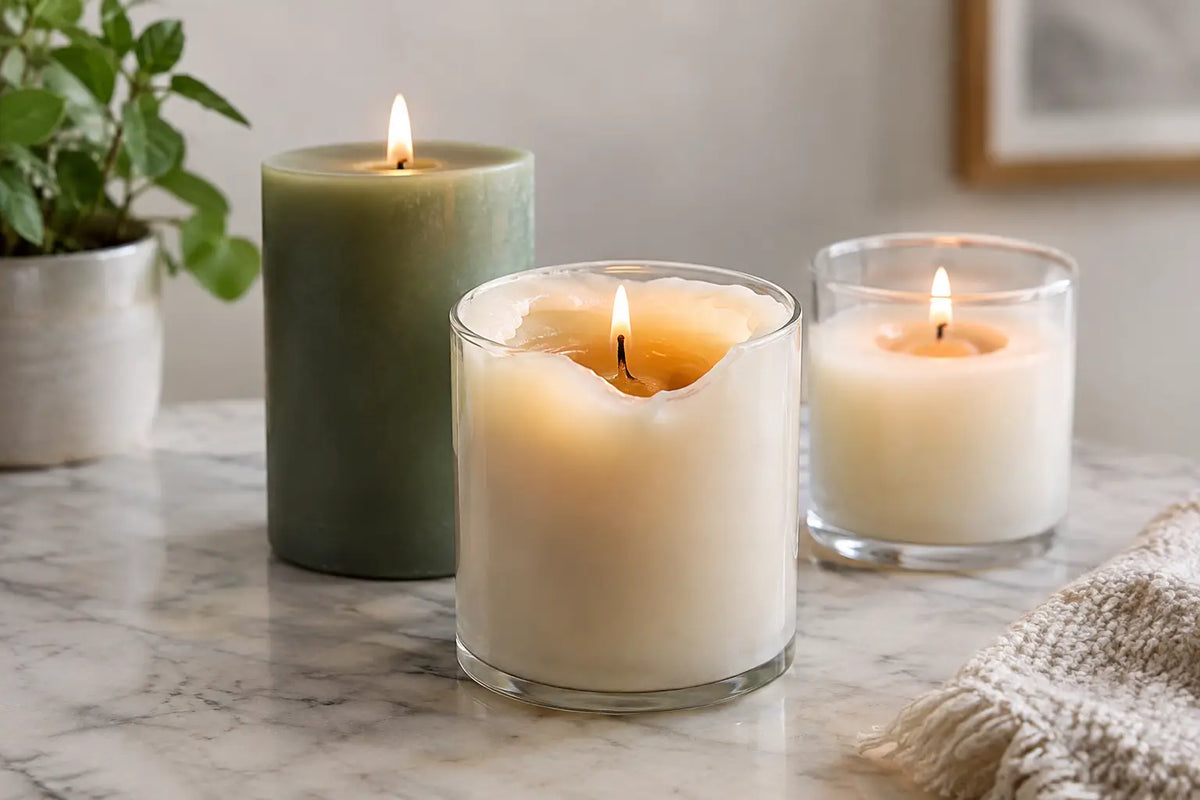
A handcrafted soy candle brings more than fragrance. It creates a pause. The soft glow can turn an ordinary evening shower, morning journal session, or self-care ritual into something more nurturing.
For a small room, burn a candle for a shorter window, usually 30 to 60 minutes, then extinguish it before the scent becomes dense. You do not need to burn a candle until you can smell it in every corner of the home. In fact, a smaller scent radius is part of the luxury in a private space.
Always place candles on a heat-safe surface and keep them clear of towels, curtains, papers, pets, and anything that may catch fire. If your small space has limited ventilation, such as an interior bathroom, a reed diffuser may be the more comfortable choice for all-day fragrance.
Fragrance oils for personal touches
Luxury perfume fragrance oils are made for the skin, but they can also inspire a beautifully layered atmosphere around your routine. Apply your favorite alcohol-free perfume oil to pulse points before getting dressed, then let the scent become part of the room as you move through it. A bedroom or dressing area can feel more personal when your signature fragrance is woven into the ritual rather than sprayed into the air.
Avoid applying body fragrance oils directly to furniture, linens, or walls unless the product is specifically designed for those surfaces. Oils can leave marks or affect delicate materials. For scenting linens, choose products created for fabric use, or rely on the gentle aroma of a diffuser placed nearby.
Place fragrance where it can softly circulate
Placement matters as much as the product itself. The center of the room is not always the best spot. In tight spaces, fragrance becomes more natural when it meets gentle movement in the air.
Try placing a diffuser near the entrance of a bathroom, on a dresser across from the bed, or on a shelf near but not directly beside an air current. A candle can sit on a vanity or desk while supervised, where its glow and aroma become part of the experience. Keep fragrance away from open windows if you want it to linger, but do not sacrifice fresh air for a stronger scent. A room that is occasionally aired out will make each fragrance feel cleaner and more distinct when you return.
Be mindful of height, too. A diffuser at nose level can seem far stronger than one placed lower on a shelf. In a small apartment entryway, placing it on a low console may create a more subtle welcome. In a bathroom, a counter-level diffuser may be exactly right.
Build a scent rhythm instead of layering everything at once
Small spaces do best with a fragrance rhythm. Choose one main source of scent, then allow other aromatic moments to support it rather than compete with it. If a reed diffuser is providing a warm, creamy background in the bedroom, choose a candle from the same scent family for evenings. If you wear a floral perfume oil while getting ready, a fresh linen or soft citrus home scent may keep the experience balanced.
Too many unrelated fragrances can make a room feel busy. Vanilla candle, fruity diffuser, laundry booster, strong cleaning spray, and perfume may all be lovely on their own, yet together they can lose their magic. Consider the scents already living in the space, including soap, detergent, hair products, and cleaning products.
A simple approach works beautifully: keep one signature home fragrance for the room, then change it with the season or your mood. Fresh citrus and airy florals can brighten spring and summer. Amber, sandalwood, spice, and soft vanilla bring a cocooning quality in cooler months. At Marie's Blazing Aromas, the idea is always personal: the scent should feel like an extension of your peace, your memories, and your presence.
Refresh the room without adding more fragrance
When a small room starts smelling stale, fragrance is not always the answer. First, remove the competing odors. Empty wastebaskets, wash towels, open a window for a few minutes, and check damp areas in bathrooms or kitchens. Clean air gives your chosen scent a more graceful place to land.
Textiles deserve special attention because they quietly hold scent. Launder throw blankets, pillowcases, bath mats, and curtains regularly. In closets, allow clothing to fully dry before putting it away. A fresh foundation means you can use less fragrance while enjoying it more.
If you become nose-blind to a scent, do not immediately add extra reeds or burn another candle. Step out of the room for a while, then return later. Your senses may simply need a reset. Rotating between two complementary fragrances every few weeks can also keep your home aroma feeling noticeable without making it stronger.
Let the space feel like yours
A small space can become one of the most meaningful places in your home because it is close, private, and lived in every day. Let its scent be gentle enough to welcome you rather than demand your attention. The right fragrance should feel like a soft light left on for yourself: warm, calming, and entirely your own.