How to Make Custom Scented Candles
A candle can change the whole feeling of a room before anyone says a word. The right blend feels comforting, elegant, and personal, which is why so many fragrance lovers want to learn how to make custom scented candles instead of settling for something that smells generic or burns poorly.
The beauty of a custom candle is that it lets you shape the mood from the very beginning. You choose the wax, the vessel, the wick, and most importantly, the scent story. Whether you want a soft floral for your evening reset, a warm vanilla blend for cozy weekends, or a bright citrus note that makes your kitchen feel refreshed, the process is both creative and grounding.
What you need before you start
If you want a candle that feels premium, start with quality materials. Soy wax is a favorite for good reason. It burns cleanly, holds fragrance well, and suits the kind of elevated home ritual many people are looking for. Coconut-soy blends can offer a smoother finish and stronger scent throw, while paraffin can project fragrance more intensely. The trade-off is that many candle lovers prefer soy or natural wax blends for a cleaner, more eco-conscious experience.
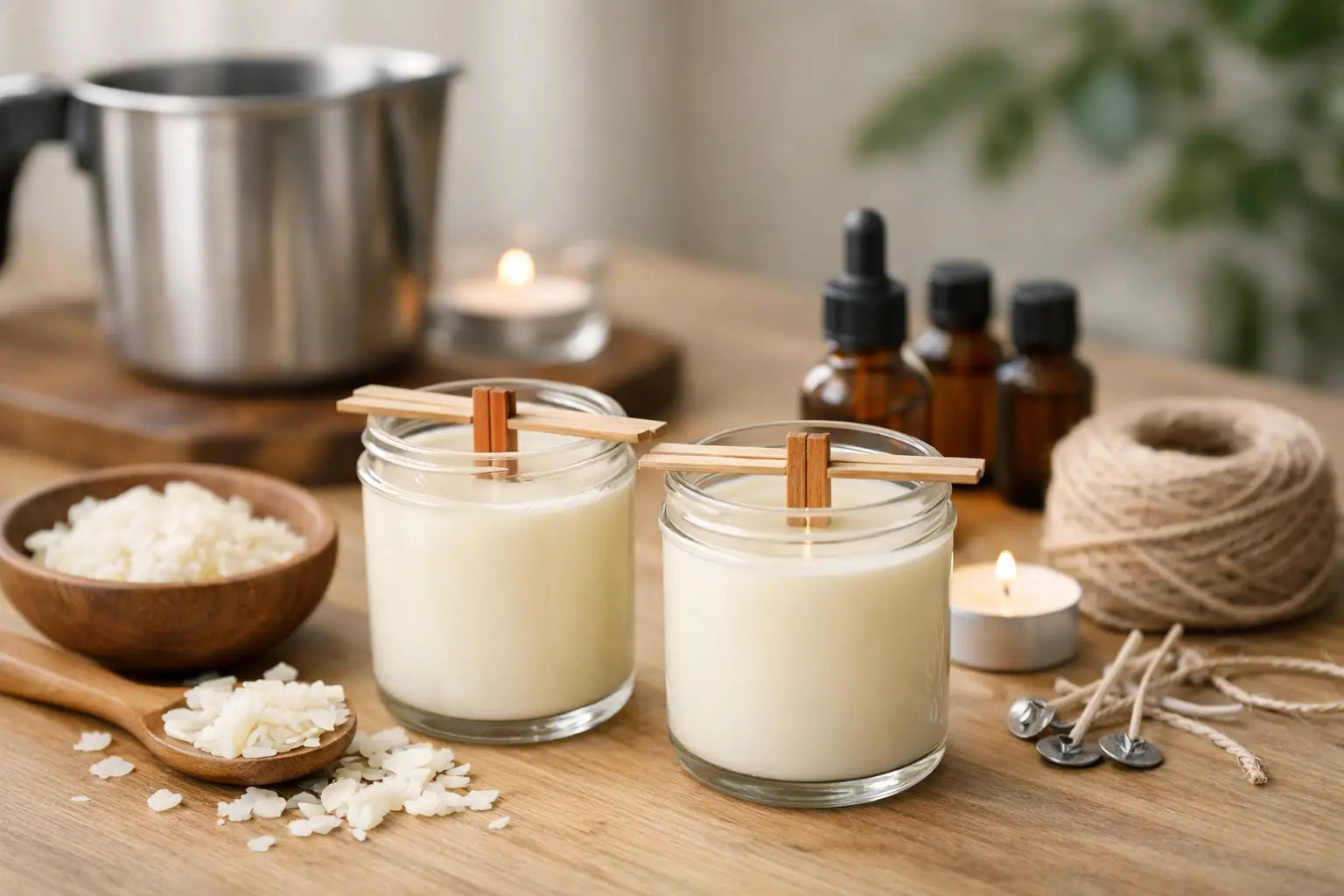
You will also need candle vessels, wicks, fragrance oil, a heat-safe pouring pitcher, a thermometer, wick stickers or glue dots, and a stirring utensil. A digital scale matters more than many beginners expect. Measuring by weight instead of guesswork gives you better consistency, especially when you want to recreate a scent you love.
Your fragrance oil matters just as much as your wax. Not every oil performs well in candles, and perfume oils made for skin are not always ideal for heat. Choose candle-safe fragrance oils and think of them like building a signature scent for your space. Rich amber, soft lavender, creamy sandalwood, juicy pear, rose, citrus zest, and clean musk can all create very different emotional effects.
How to make custom scented candles that smell luxurious
A custom candle is more than melted wax with fragrance added in. To get a refined result, you need balance. Too much oil can affect the burn. Too little and the candle may look beautiful but barely scent the room. Most waxes perform well with a fragrance load between 6 and 10 percent, but it depends on the wax and the oil.
Start by weighing your wax. If you are making one medium candle, you might use around 8 to 10 ounces of wax, depending on the size of the jar. Melt the wax slowly in a pouring pitcher using a double-boiler method. Avoid rushing the heat. Wax that gets too hot can become harder to work with and may affect the final finish.
Once the wax reaches the manufacturer’s recommended melting temperature, remove it from heat and let it cool slightly before adding fragrance. This step matters. If you add fragrance when the wax is too hot, some of the more delicate notes can weaken. If you add it too late, the oil may not bind as well. For many soy waxes, adding fragrance around 175 to 185 degrees Fahrenheit works well, but always check the wax guidance.
Stir gently and thoroughly for about two minutes. Not a quick swirl - a real blend. This is what helps the fragrance distribute evenly through the wax, so your candle smells consistent from first burn to last.
Choosing a scent profile that feels personal
The most memorable candles tell a story. A good custom blend has shape. It opens with one impression, settles into another, and leaves a soft atmosphere behind.
If you like clean, airy spaces, try combining linen, white tea, neroli, or light citrus. If your style leans warm and sensual, think vanilla, tonka, sandalwood, amber, or soft spice. For something romantic and feminine-forward, rose, jasmine, peony, and cashmere musk can feel beautiful without becoming too powdery. If you want a more grounded, unisex direction, woods, smoke, bergamot, fig, and black currant often create depth.
There is a little artistry here. Some fragrance oils are strong enough to stand alone, while others shine in pairs or trios. If you are blending your own oils, keep the formula simple at first. Two notes that complement each other usually perform better for beginners than a five-note blend that turns muddy.
A useful way to test is on paper first, then in a very small wax batch. What smells lovely from the bottle can shift once heated. Vanilla softens sharp citrus. Woods can pull florals into a more elegant direction. Musk can make everything feel more expensive. It depends on the balance you want.
Wick size can make or break the candle
Many homemade candles fail because of the wick, not the scent. If the wick is too small, the candle tunnels and wastes wax. If it is too large, the flame can burn too hot, move through fragrance too quickly, and create soot.
Wick size depends on the diameter of your vessel, the type of wax, and even the amount of fragrance oil. A heavily scented soy candle may need a different wick than a lightly scented one in the same jar. Cotton wicks are popular for a steady, classic burn, while wooden wicks create a modern look and a soft crackling effect. Wooden wicks feel luxurious, but they can be a little less forgiving and often require more testing.
Secure the wick to the center of the vessel before pouring. Once the wax is in the jar, keep the wick upright with a wick bar, clothespin, or similar tool. Centering is not just about appearance. It helps the candle burn evenly and safely.
Pouring and curing for a better finish
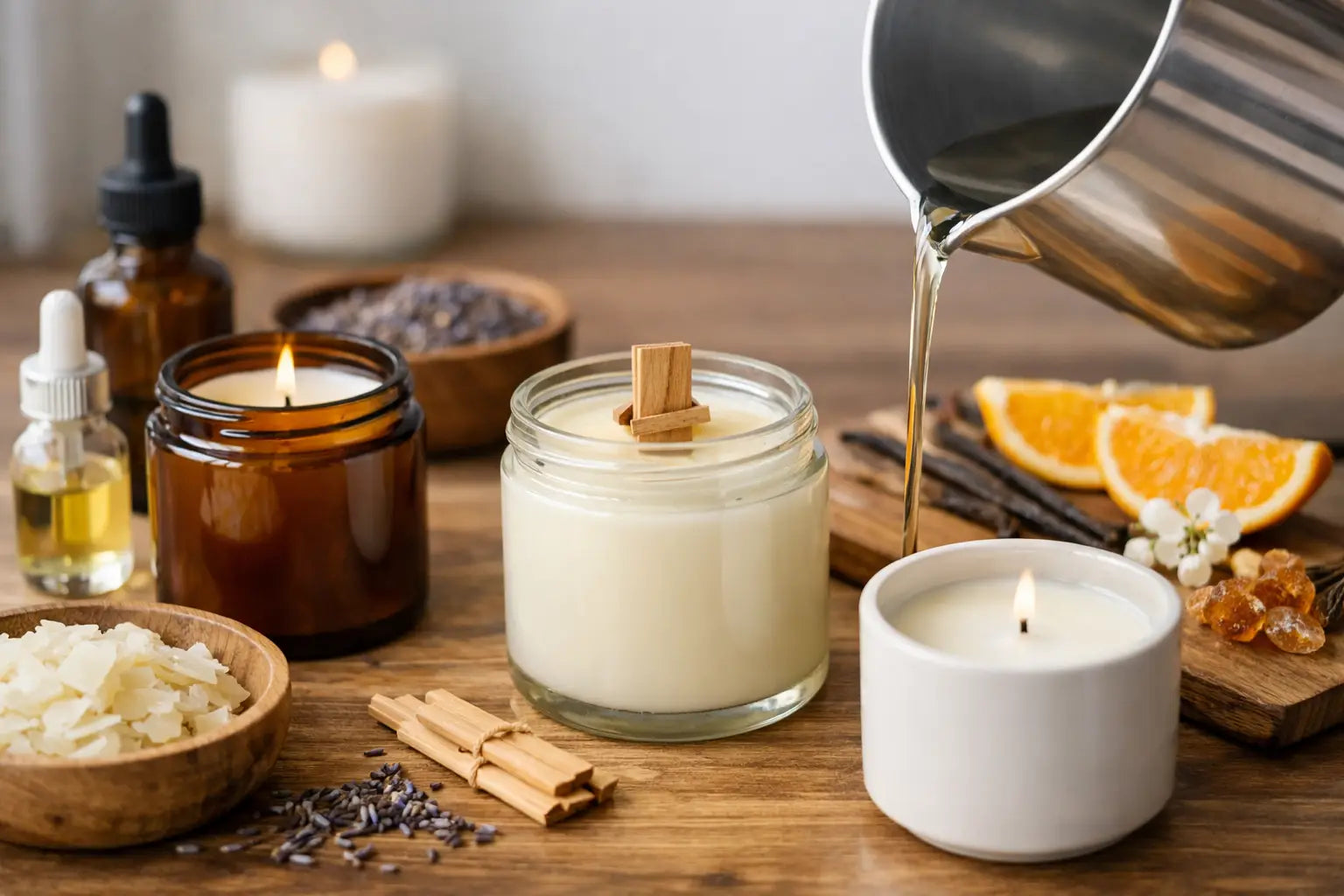
After mixing in fragrance, let the wax cool to the recommended pour temperature. For soy wax, this is often around 135 to 145 degrees Fahrenheit, though formulas vary. Pouring too hot can cause sinkholes or rough tops. Pouring too cool can create an uneven surface. The smoothest candles usually come from patience.
Once poured, leave the candle alone. Try not to move it while it sets. Place it on a flat surface away from drafts, vents, and sudden temperature changes. A calm room gives the wax a better chance to settle beautifully.
Then comes the part many beginners want to skip - curing. A candle may look ready in a day, but the fragrance and wax need time to bind fully. Soy candles often perform best after curing for 7 to 14 days. This waiting period can improve both cold throw, which is how the candle smells unlit, and hot throw, which is how it smells while burning.
Common mistakes when making custom scented candles
If your candle has a weak scent throw, the issue may be too little fragrance, poor oil quality, the wrong wick, or not enough cure time. If the top looks frosty or slightly uneven, that is common with soy wax and does not always mean the candle is flawed. In fact, a little frosting can be a natural sign of soy.
If the candle tunnels, try a larger wick. If the flame is too high or sooty, try a smaller one. If fragrance seems separated or the burn feels off, check your mixing temperature and stirring time. Custom candle making is part craft, part testing. A candle that looks beautiful on the first try may still need wick adjustments to burn like a luxury product.
This is where a lot of makers learn restraint. More fragrance is not always better. More color is not always better either. Sometimes the most elegant candle is creamy, softly scented, and beautifully balanced.
How to make custom scented candles for gifts or small batches
If you are creating candles for gifts, think beyond the scent alone. Match the vessel and fragrance to the mood you want to give. A soft blush jar with rose and vanilla feels intimate and celebratory. Matte black with cedar and amber feels refined and gender-inclusive. Clear glass with citrus and mint feels fresh and easy to love.
Keep notes on every batch - wax type, fragrance percentage, wick size, pour temperature, and cure time. This is what turns a one-time craft into a repeatable ritual. It is also how artisan brands create consistency while still keeping the charm of handcrafted production.
At Marie’s Blazing Aromas, that emotional connection to fragrance is part of what makes a candle feel so special. The scent is not only there to perfume a room. It helps create calm, confidence, nostalgia, or softness, depending on what you need that day.
Making your own candle can be beautifully simple once you stop chasing perfection and start paying attention to feeling. Let the fragrance reflect your space, your mood, and the atmosphere you want to come home to. The best custom candles do more than smell good - they make ordinary moments feel intentional.