Why Perfume Oils Smell Different on Your Skin
A perfume oil can smell like velvet on one person and warm spice on another, even when both are wearing the very same fragrance. That personal shift is part of the magic. If you have ever wondered why perfume oils smell different from a traditional spray perfume, the answer lives in the formula, your skin, and the quiet way scent unfolds over time.
Perfume oils are not meant to announce themselves from across the room. They are designed to become intimate, settling close to the skin and revealing a fragrance that feels less borrowed and more like your own. For those who want a signature scent that moves with their mood, warmth, and natural chemistry, that is a beautiful thing.
Why Perfume Oils Smell Different From Spray Perfumes
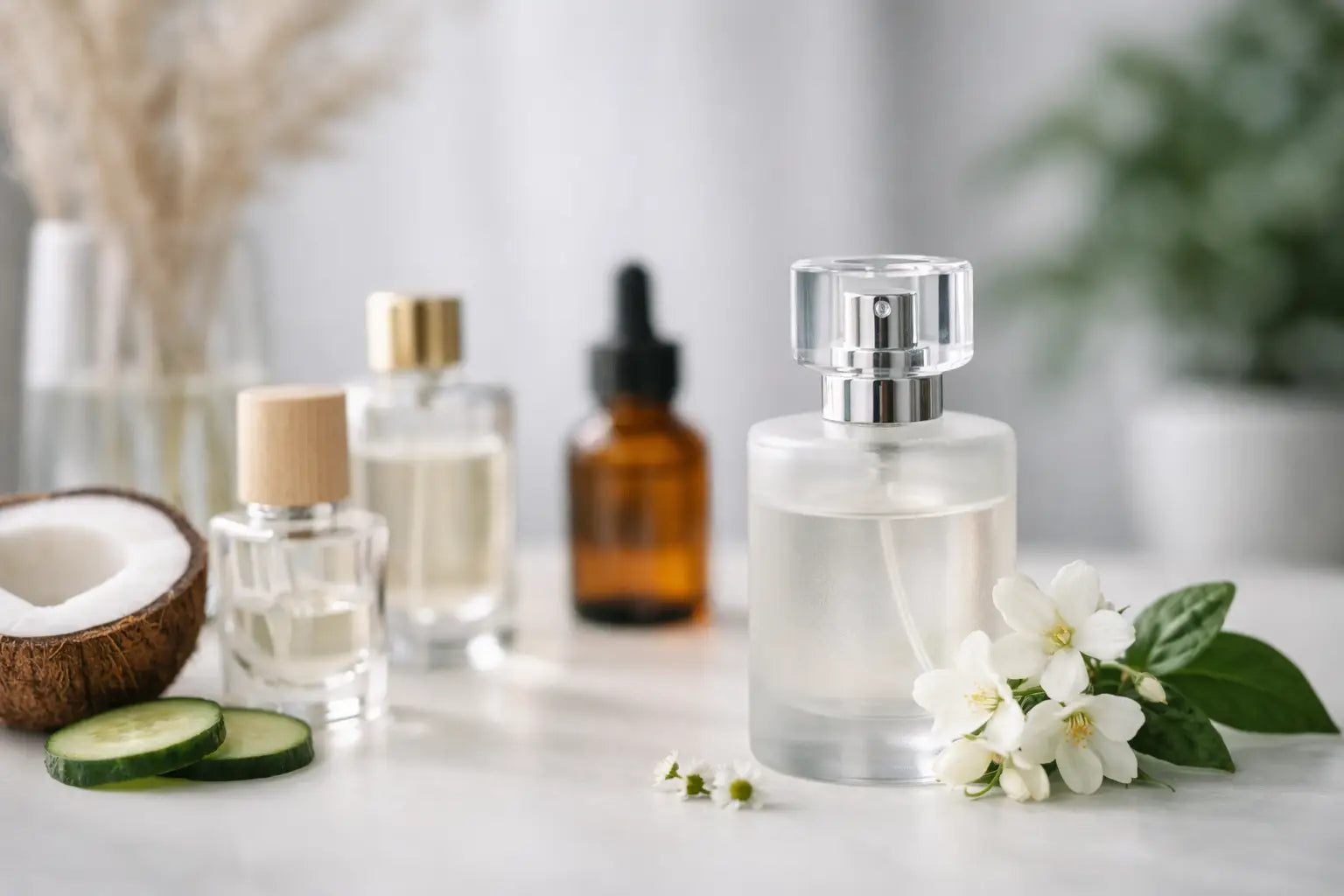
The biggest difference is the base. Traditional perfumes are often carried in alcohol, which evaporates quickly and lifts fragrance notes into the air almost immediately. This creates that familiar first burst: bright citrus, sparkling florals, crisp fruit, or a bold rush of spice.
Perfume oils use a nourishing oil base instead. Because oil evaporates more slowly, it holds fragrance close and releases it gradually. The scent may feel softer at first, but it often develops with a richer, smoother presence as the day goes on. Rather than a fast introduction and quick fade, you get a more personal scent story.
This also changes how individual notes appear. A vanilla note in an alcohol-based fragrance may feel airy or sugary in the opening. In an oil, it can feel creamier, warmer, and more skin-like. Amber can become more golden. Musk may feel softer. Florals may lose some of their sharpness and settle into something romantic and delicate.
Neither format is inherently better. Spray perfumes are wonderful when you want a fragrance with noticeable projection or a more dramatic opening. Perfume oils are especially lovely when you want closeness, comfort, and a scent that feels woven into your skin.
Your Skin Chemistry Helps Write the Scent Story
A perfume oil does not smell exactly the same in the bottle as it does on your wrist because your body becomes part of the fragrance experience. Skin temperature, moisture level, natural oils, and even the products already on your skin can affect how a scent develops.
Warmer skin tends to amplify fragrance. If you run warm, you may notice spicy, woody, sweet, or resinous notes becoming more pronounced. On cooler skin, the same oil may wear more quietly and reveal a fresher or cleaner side. This is why testing a scent on your own skin matters more than judging it from a cap or a paper blotter.
Your skin's natural oil production can make a difference, too. Fragrance often clings beautifully to well-moisturized skin. On very dry skin, a perfume oil may seem to disappear more quickly, not because the formula is weak, but because there is less moisture for it to bind to. Applying an unscented moisturizer before your perfume oil can help create a soft, hydrated foundation for longer wear.
Even your body chemistry can gently shift the balance of notes. A warm gourmand may turn more caramel-like on one person and more spiced on another. A fresh floral may bloom with creamy petals on one wearer but lean green and dewy on someone else. This is not a flaw. It is the reason fragrance can feel so deeply personal.
Hormones, Stress, and Seasonal Changes
Your relationship with scent can change from day to day. Hormonal shifts, stress, medications, hydration, and seasonal weather may all influence what you smell and how strongly you smell it. A fragrance you loved in the winter may feel heavier in summer heat. A citrus-forward oil may feel especially uplifting on a busy morning, while a warm vanilla or sandalwood blend may feel more comforting in the evening.
It is also possible for your nose to become accustomed to a fragrance you wear often. You may think it has faded when others can still notice it nearby. This is called scent fatigue, and it is one reason to apply with intention rather than adding layer after layer.
The Notes Develop More Slowly and More Intimately
Fragrance is often described in three stages: top notes, heart notes, and base notes. Top notes are the first impression, heart notes form the personality of the scent, and base notes create the lingering finish. In perfume oils, those transitions can feel less sharply divided because the carrier slows evaporation.
Instead of a quick flash of top notes followed by a dramatic change, you may notice the fragrance melting gradually into itself. The bright opening can remain present longer, while the deeper notes arrive with a gentle warmth. This makes perfume oils especially inviting for people who prefer a scent that feels rounded rather than overly sharp.
The base notes also tend to stay close for longer. Notes such as musk, vanilla, amber, sandalwood, patchouli, and soft woods are naturally well suited to oil-based fragrance because they bloom through body heat. They can create that memorable, comforting trail someone notices when they lean in for a hug.
Application Changes the Way Your Perfume Oil Wears
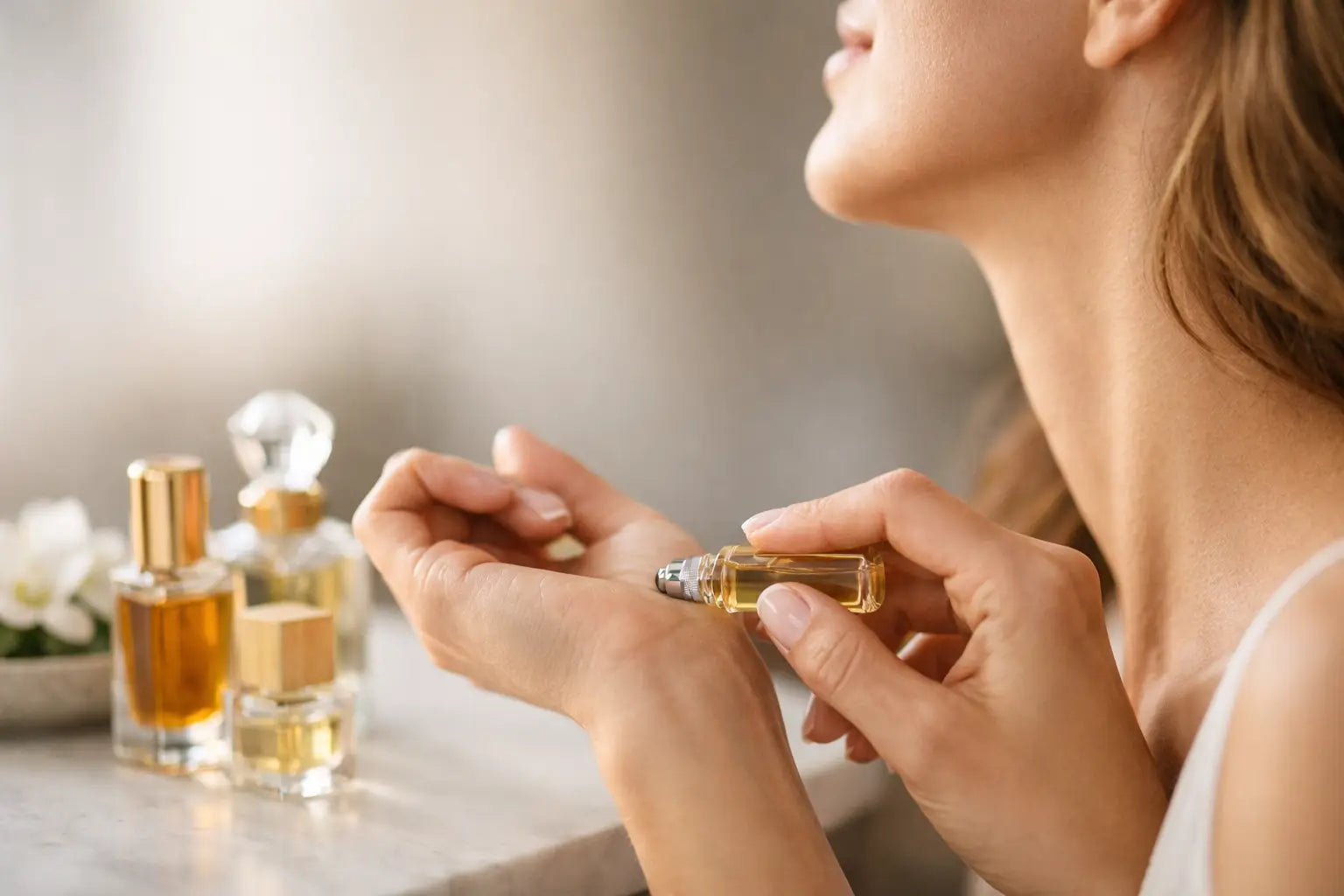
Where and how you apply perfume oil matters. Pulse points are popular because they carry warmth: wrists, inner elbows, behind the ears, and the base of the throat. A small amount is usually enough. The goal is not to coat the skin, but to let the fragrance warm naturally.
Try rolling or dabbing the oil onto clean, moisturized skin, then allow it to settle. Avoid rubbing your wrists together vigorously. That friction can disturb the opening notes and make the scent feel different than intended. A gentle press is all you need.
For a more enveloping experience, apply a touch to the collarbone or behind the knees. If you wear your hair up, a tiny amount at the nape of the neck can create a subtle, beautiful aura. Be mindful with delicate fabrics, since oil-based products can leave a mark on certain materials. Skin is the best canvas.
Give It Time Before You Decide
Do not judge a perfume oil in the first thirty seconds. Let it wear for at least an hour before deciding whether it is for you. The opening may be brighter, sweeter, or more floral than the heart it becomes. By the time it settles, you may find a completely different kind of elegance waiting underneath.
If you are choosing between scents, test no more than two or three at once, each on a separate pulse point. Too many fragrances can blur together and make it difficult to hear what each one is saying. Your nose deserves a moment of calm.
Alcohol-Free Can Feel Softer on Skin
For many fragrance lovers, alcohol-free perfume oils are appealing because they offer a gentler, more moisturizing feel. Alcohol can create a cooling sensation as it evaporates, but some people find it drying or irritating, especially on sensitive skin. An oil-based formula can feel more comfortable as part of a daily self-care ritual.
That said, skin sensitivity is personal. Natural ingredients and fragrance blends can still be sensitizing for some individuals. A small patch test is always a thoughtful first step, particularly if your skin is reactive or you are trying a new scent family.
At Marie's Blazing Aromas, perfume fragrance oils are created to make scent feel like an intimate expression of self: a little confidence at the wrist, a little calm at the collarbone, and a lingering reminder that you deserve beautiful things.
Finding the Perfume Oil That Feels Like You
The fragrance that smells best on you is not always the one that smelled best in the bottle. Give yourself permission to choose based on the dry-down, the emotion it creates, and the way it makes you carry yourself. A scent can be soft without disappearing. It can be sensual without being loud. It can feel familiar while still making an impression.
Wear perfume oil when you want to feel grounded before a full day, romantic before an evening out, or gently cared for in the moments when no one else is around. Let it rest on your skin long enough to become yours. The most beautiful signature scents are not simply smelled - they are felt.