A Guide to Candle Care Tips for a Beautiful Burn
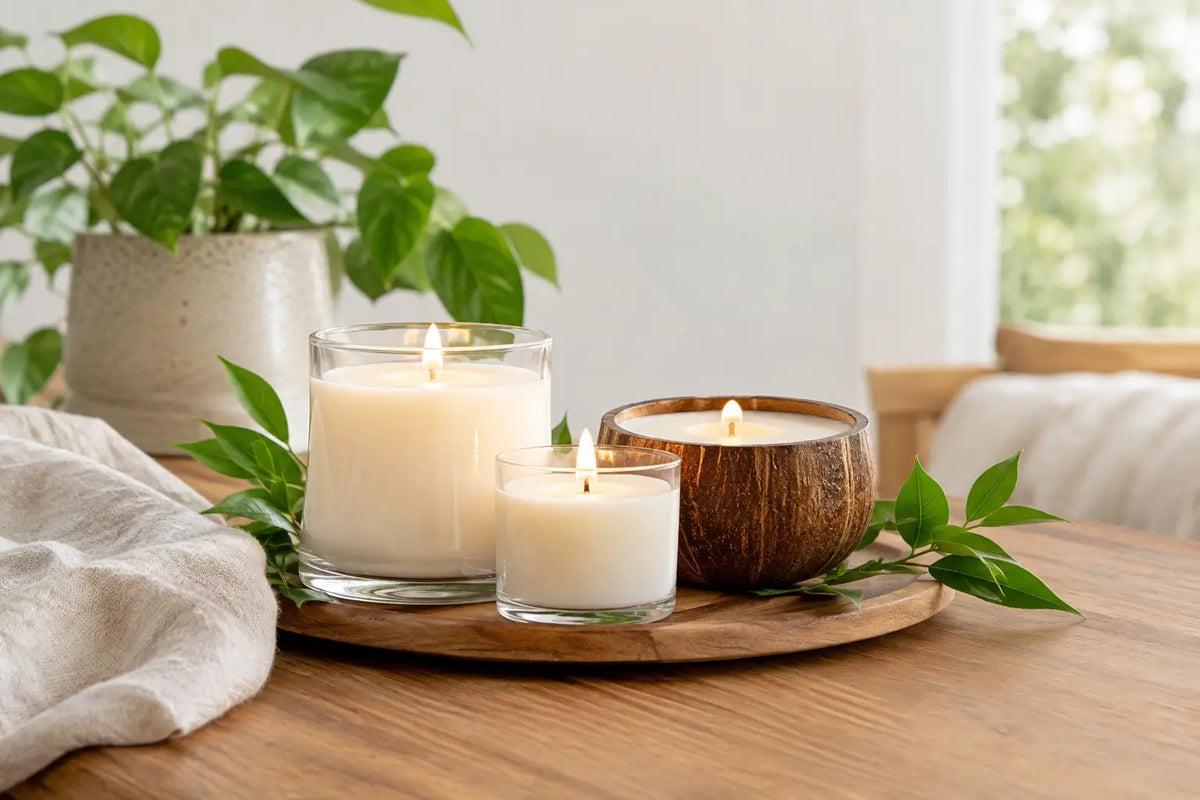
A candle can change the feeling of a room before anyone says a word. The soft light, the first lift of fragrance, the quiet invitation to slow down - it all begins with a thoughtful burn. This guide to candle care tips helps you protect that experience, so your handcrafted soy candle can bring comfort, confidence, and beautiful aroma to more of your everyday rituals.
Candle care is not about being precious with something meant to be enjoyed. It is about a few simple moments of attention that help preserve the fragrance, encourage an even melt, and keep your space feeling as polished as it smells. Think of it as making room for your peace, one flame at a time.
A Guide to Candle Care Tips That Honor Your Candle
A well-cared-for candle gives you a cleaner glow and a more consistent scent experience. Soy wax is a natural choice for a cozy home ritual, but like any carefully made item, it responds best to a little care. The wick, wax pool, room conditions, and burn time all play a role.
Begin by placing your candle on a stable, heat-resistant surface, away from open windows, ceiling fans, air vents, pets, and anything flammable. A steady flame is a happier flame. Drafts can make it flicker wildly, burn through wax unevenly, and send soot onto the vessel or nearby walls.
Give your candle enough breathing room, too. Keep it several inches away from other candles while burning. Fragrance deserves space to unfold, and a safe setup lets you settle into the moment without distraction.
Trim the Wick Before Every Burn
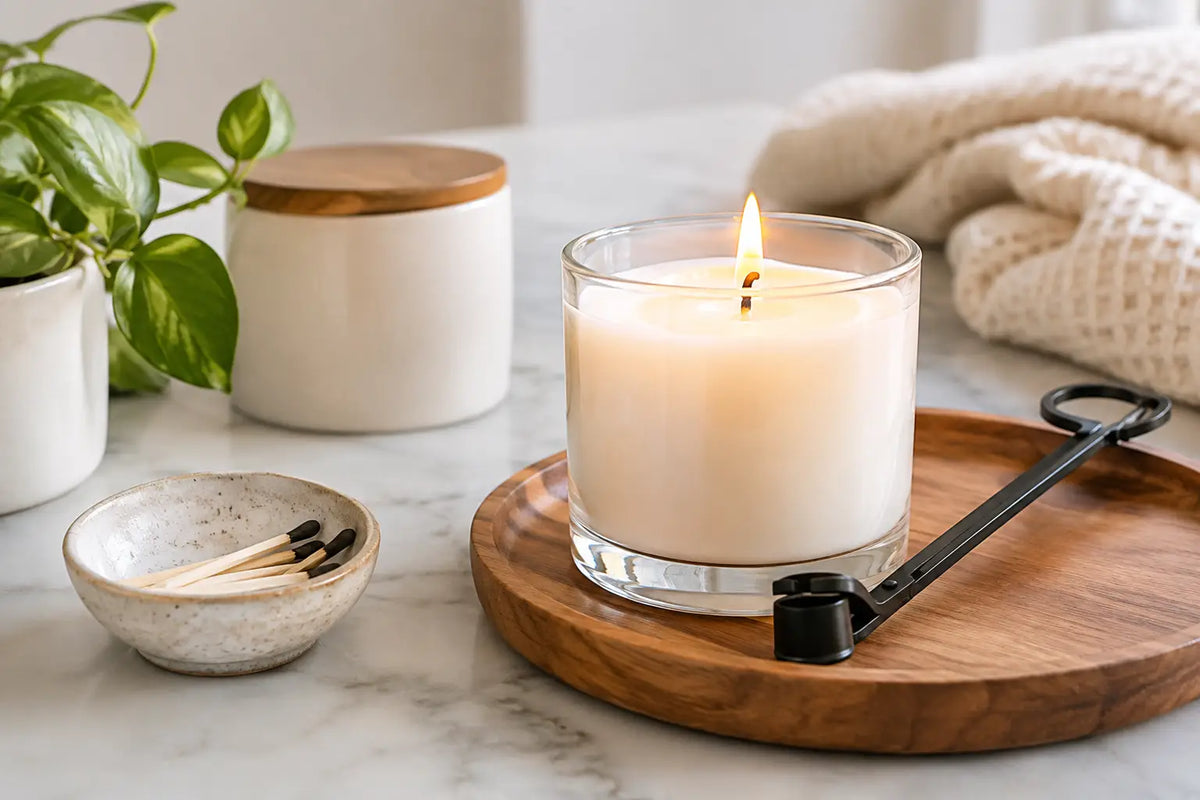
Wick trimming is the small step that makes the biggest difference. Before lighting a cooled candle, trim the wick to about one-quarter inch. A wick trimmer gives a clean result, though small scissors work well when used carefully.
An overly long wick can create a flame that is too high, too hot, or smoky. It may cause mushrooming, which is the little carbon buildup that forms at the top of the wick. While a small mushroom is common after burning, trimming it before the next light helps the candle burn more evenly and keeps the flame from overpowering the fragrance.
If the wick has curled to one side, gently straighten it while the wax is fully cooled. Do not tug at it. The wick is the heart of the candle, and a gentle touch helps it stay centered for a graceful, even burn.
Make the First Burn a Meaningful One
Your first burn helps set the rhythm for the candle's life. Let the wax melt close to the edges of the vessel, especially with a single-wick candle. This can help reduce tunneling, when wax remains clinging to the sides while the candle burns down the middle.
There is no need to chase an exact number of hours. The right timing depends on the candle's diameter, wick style, and the room around it. For many container candles, allowing a full melt pool can take two to four hours. Rather than watching the clock alone, look at the wax surface and let it melt broadly and evenly.
At the same time, do not burn a candle for more than four hours at once. If the vessel becomes very hot, the flame gets unusually tall, or the fragrance begins to feel too intense in a smaller room, extinguish it and let everything cool. A luxurious home atmosphere should feel comforting, never overwhelming.
Keep the Flame Calm and the Fragrance Clear
Once your candle is lit, resist the urge to move it. Hot wax can spill, and changing locations can disturb the flame. Let the candle remain still while it fills your space with its character - perhaps soft florals for a self-care evening, warm vanilla for a welcoming living room, or a rich, grounding blend for a slower night in.
If you notice a flickering flame, first check for a draft. Close a nearby window, turn off a fan, or move the source of airflow only after the candle has been extinguished and cooled. A flame that stays unusually tall after the wick has been trimmed may also be a sign that it is time to put the candle out, allow it to reset, and trim again before relighting.
Avoid burning your candle in a very small, closed space for long periods. Fragrance is personal. Some days call for a room wrapped in aroma; others call for a softer presence. Adjusting burn time and room size lets the scent support your mood instead of competing with it.
Extinguish With Care
Blowing out a candle works, but it can send smoke through the room and scatter a little soot onto the wax. For a more polished finish, use a candle snuffer or gently dip the wick into the melted wax with a wick dipper, then lift and straighten it. This can reduce after-smoke and prepare the wick for the next burn.
If you prefer to blow out the flame, do it softly and from a short distance. Once the flame is out, let the wax cool completely before touching the vessel, replacing the lid, or trimming the wick. Closing a lid over hot wax can trap heat and may affect the candle's next burn.
A little discoloration on the wax or a touch of fragrance lingering in the room after extinguishing is part of the candle's lived-in beauty. It means the ritual happened. There is no need for perfection, only mindful enjoyment.
How to Handle Tunneling, Soot, and Uneven Wax
Even with loving care, candles can occasionally burn unevenly. This does not always mean anything is wrong. Room temperature, airflow, and a shorter-than-usual first burn can all affect the wax pool.
If tunneling begins, try a longer burn on the next session, within the four-hour limit, so the wax has time to soften nearer the edges. For more stubborn tunneling, a foil wrap can help. After trimming the wick, loosely wrap aluminum foil around the top of the vessel, creating a small opening at the center above the flame. Let it burn for a short, closely supervised period. The reflected heat can encourage the surface wax to melt more evenly.
Never leave a foil-wrapped candle unattended, and remove the foil carefully only after the candle is fully extinguished and cool. If the vessel becomes excessively hot, stop the burn. This method is helpful for minor tunneling, but safety always comes first.
Soot on the inside of a jar is usually caused by a wick that is too long or a draft. Once the candle has cooled, wipe the vessel gently with a soft, dry cloth. Trim the wick before lighting again and reconsider the candle's placement. A few adjustments often restore the calm, clean flame you want.
Soy wax can also develop frosting, which looks like a soft white, crystalline coating, or wet spots, where wax seems to pull away from the glass. These are natural cosmetic changes that can happen with temperature shifts. They do not mean your candle has lost its fragrance or quality. Handmade soy candles carry their own subtle variations, much like a favorite ceramic cup or a well-loved piece of linen.
Store Your Candle Like a Little Luxury
When your candle is not in use, keep it cool, dry, and out of direct sunlight. Heat and sunlight can soften the wax, fade its color, and alter the scent over time. A lid, when included, is useful for keeping dust off the wax and preserving the fragrance between rituals.
Try not to store candles in bathrooms with frequent steam or in areas with dramatic temperature changes. A bedroom dresser, a cabinet, or a shelf away from direct light is often ideal. If you are saving a candle for a gift or a special season, leave it in its original packaging until you are ready to enjoy it.
As your candle reaches the end of its life, stop burning it when about one-half inch of wax remains in the bottom. This protects the vessel from excessive heat. Once fully cooled, the remaining wax can be removed and the jar can be cleaned for a new purpose: a holder for cotton rounds, makeup brushes, matches, or a tiny bloom from the garden.
At Marie's Blazing Aromas, fragrance is meant to feel like a personal refuge. Let your candle be more than decor. Trim the wick, honor the flame, and give yourself permission to enjoy the glow without rushing past it. The most beautiful burn is the one that makes you feel at home in your own presence.