What Scent Helps Anxiety? A Calmer Ritual
A familiar fragrance can change the feeling of a room before you have time to explain why. One breath of lavender on fresh linens, a soft veil of rose during an evening bath, or warm sandalwood settling into the air can create a small but meaningful pause. If you have been asking what scent helps anxiety, the most honest answer is that calming fragrance is personal - but a few scent families are especially beloved for helping the mind and body feel more settled.
Scent is not a cure for anxiety, and it should never replace therapy, medication, or professional support when you need it. Still, fragrance can be a beautiful part of a grounding routine. It gives your nervous system a gentle cue: this is the moment to exhale, come back to yourself, and let the day soften around the edges.
What scent helps anxiety most?
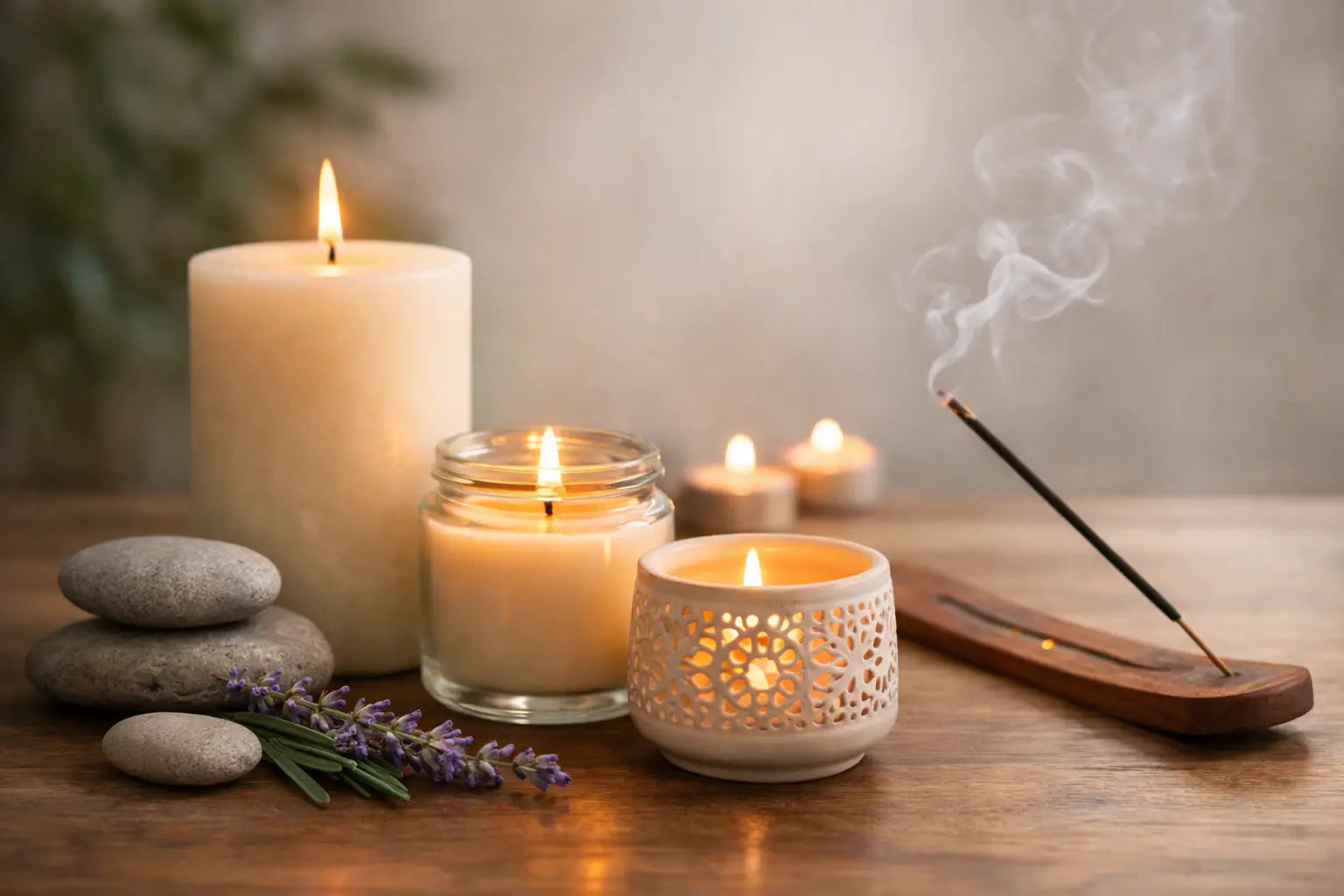
For many people, lavender is the first answer. Its herbal-floral aroma is widely associated with rest, quiet, and bedtime rituals. Lavender can feel especially comforting when anxious thoughts show up late at night, when your body is tired but your mind is still racing. In a bedroom diffuser, a soy candle, or a skin-friendly perfume oil applied before winding down, it creates a familiar atmosphere of ease.
But lavender is not the only calming choice, and it is not everyone’s favorite. The scent that helps you feel less anxious is often the one that feels safe, pleasant, and emotionally steady to you. A fragrance you dislike, no matter how often it is called relaxing, will not make a supportive ritual.
A thoughtful approach is to notice what your body does when you smell something. Do your shoulders lower? Does your breathing become a little slower? Does the scent remind you of a peaceful place, a loved one, clean sheets, a garden after rain, or a quiet Sunday morning? Those reactions matter as much as the name on the fragrance label.
Calming scent families to try
Lavender for a softer evening
Lavender has a gentle, airy character that works beautifully for rest-focused rituals. It is often paired with vanilla, chamomile, bergamot, or clean musk to make the experience feel warmer and less medicinal. If pure lavender feels too sharp or herbal for your taste, look for a blend where it sits against creamy, floral, or lightly sweet notes.
Use it when you want to transition out of work mode. Lighting a lavender-forward candle while you shower, journal, stretch, or prepare for bed helps make those ordinary actions feel like a clear boundary between a demanding day and your personal time.
Bergamot and bright citrus for anxious heaviness
Anxiety does not always feel like panic. Sometimes it feels gray, heavy, unmotivated, or mentally crowded. In those moments, bergamot, sweet orange, mandarin, lemon, and neroli can bring a brighter emotional texture without feeling overly stimulating.
Bergamot is particularly elegant because it balances sparkling citrus with a delicate tea-like floral quality. It can make a space feel freshly opened, like sunlight across a clean room. Citrus scents are lovely for morning routines, a home office, or the first few minutes after you walk through the door carrying the weight of the outside world.
There is a trade-off here: very sharp citrus may feel energizing rather than sleepy. That can be exactly what you need during a tense afternoon, but perhaps not at midnight. For evening, choose citrus softened by vanilla, sandalwood, amber, or lavender.
Rose and soft florals for emotional comfort
Rose is more than a romantic note. It can feel tender, centering, and quietly luxurious - a scent that encourages you to treat yourself with more care. When anxiety is tied to grief, emotional overwhelm, loneliness, or a harsh inner voice, a rose-forward fragrance can create a moment of softness.
Look for rose blended with peony, jasmine, geranium, pear, or clean musk if you prefer a fresh floral mood. Rose with amber, oud, vanilla, or sandalwood feels deeper and more enveloping. The best version depends on whether you want your calm to feel light and petal-soft or rich and cocooning.
Sandalwood, cedar, and warm woods for grounding
Woody scents are an exquisite choice when you need to feel anchored. Sandalwood is creamy, smooth, and meditative. Cedarwood has a dry, clean, forest-like presence. Vetiver is earthier and more complex, often appreciated by people who find sweet or floral fragrances overwhelming.
These notes can be especially helpful for a busy mind because they create a sense of structure. A sandalwood or cedar diffuser in your entryway, living room, or workspace can make your environment feel less scattered and more intentional. For personal fragrance, warm woods often wear close to the skin, turning calm into something you carry rather than something you have to search for.
Vanilla, amber, and gentle sweetness for safety
Some people relax most with scents that feel warm, familiar, and comforting. Vanilla, tonka, amber, cashmere musk, and subtle coconut can create that feeling. They bring to mind candlelight, a favorite sweater, and the ease of being home.
The key is balance. Very sugary or intensely gourmand scents can feel too rich when you are already overstimulated. A refined vanilla layered with sandalwood, lavender, rose, or a whisper of citrus tends to feel more serene than dessert-like. Think comforting, not cloying.
How to make fragrance part of an anxiety ritual
The power of scent grows when it becomes consistent. Choose one fragrance or scent family for a specific calming practice, then return to it regularly. Over time, the aroma can become a personal signal that tells your mind: we know this moment, and we are safe enough to slow down.
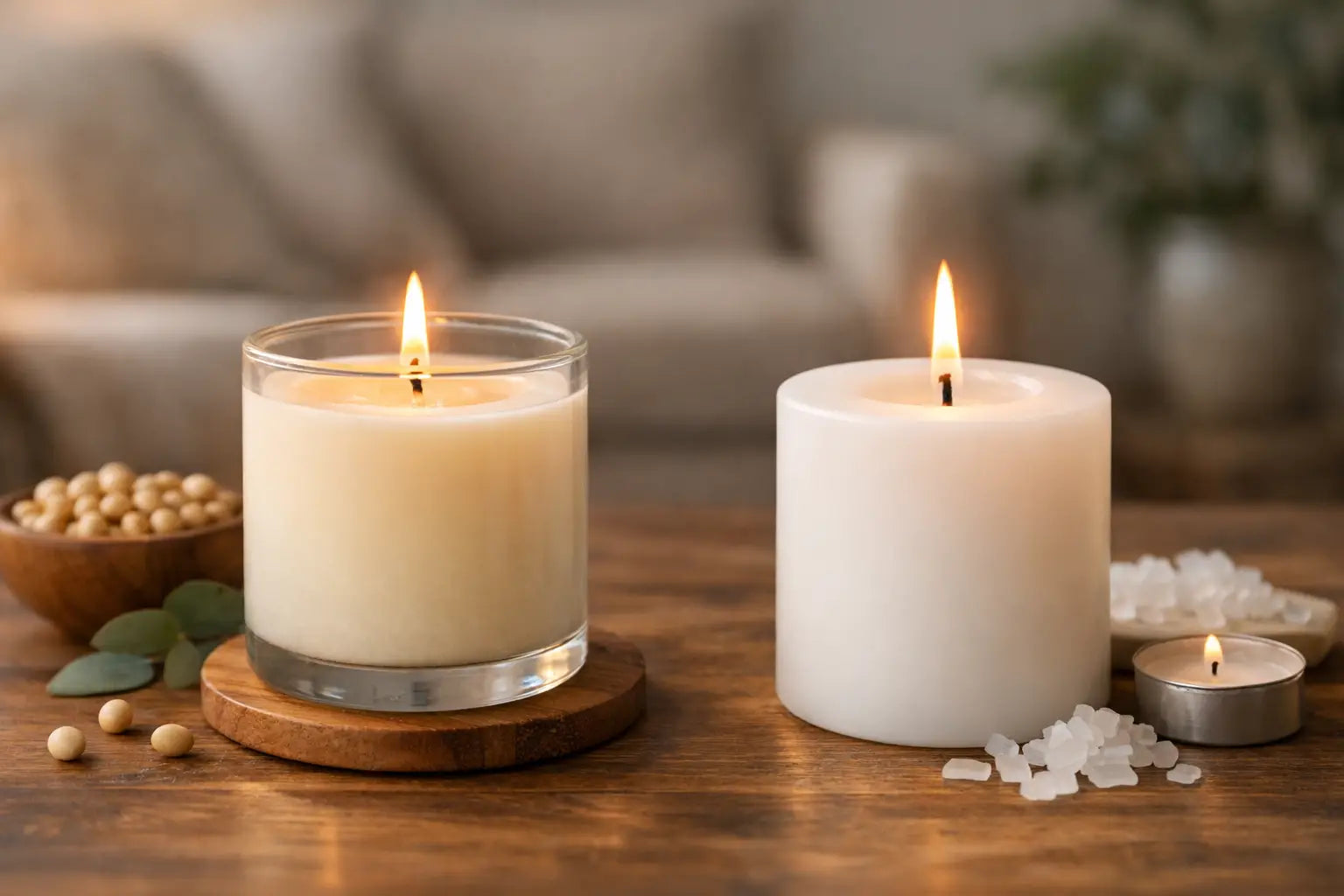
Start small. Diffuse a calming scent for 15 to 30 minutes while you read or breathe deeply. Light a handcrafted soy candle while you put your phone away for the evening. Apply a little alcohol-free perfume oil to pulse points before a meeting, a flight, or a difficult conversation. The goal is not to cover every anxious feeling with fragrance. It is to create a sensory touchstone when you need one.
Pair the scent with one physical action. Try placing both feet on the floor, relaxing your jaw, or taking five unhurried breaths. Notice the first note you smell, then the softer notes underneath it. This simple act of paying attention moves you out of the spiral of thoughts and back into the present moment.
At Marie’s Blazing Aromas, this is the heart of healing through aroma: not perfection, not pressure, but a beautiful daily invitation to return to your own inner peace.
Choose the format that fits your life
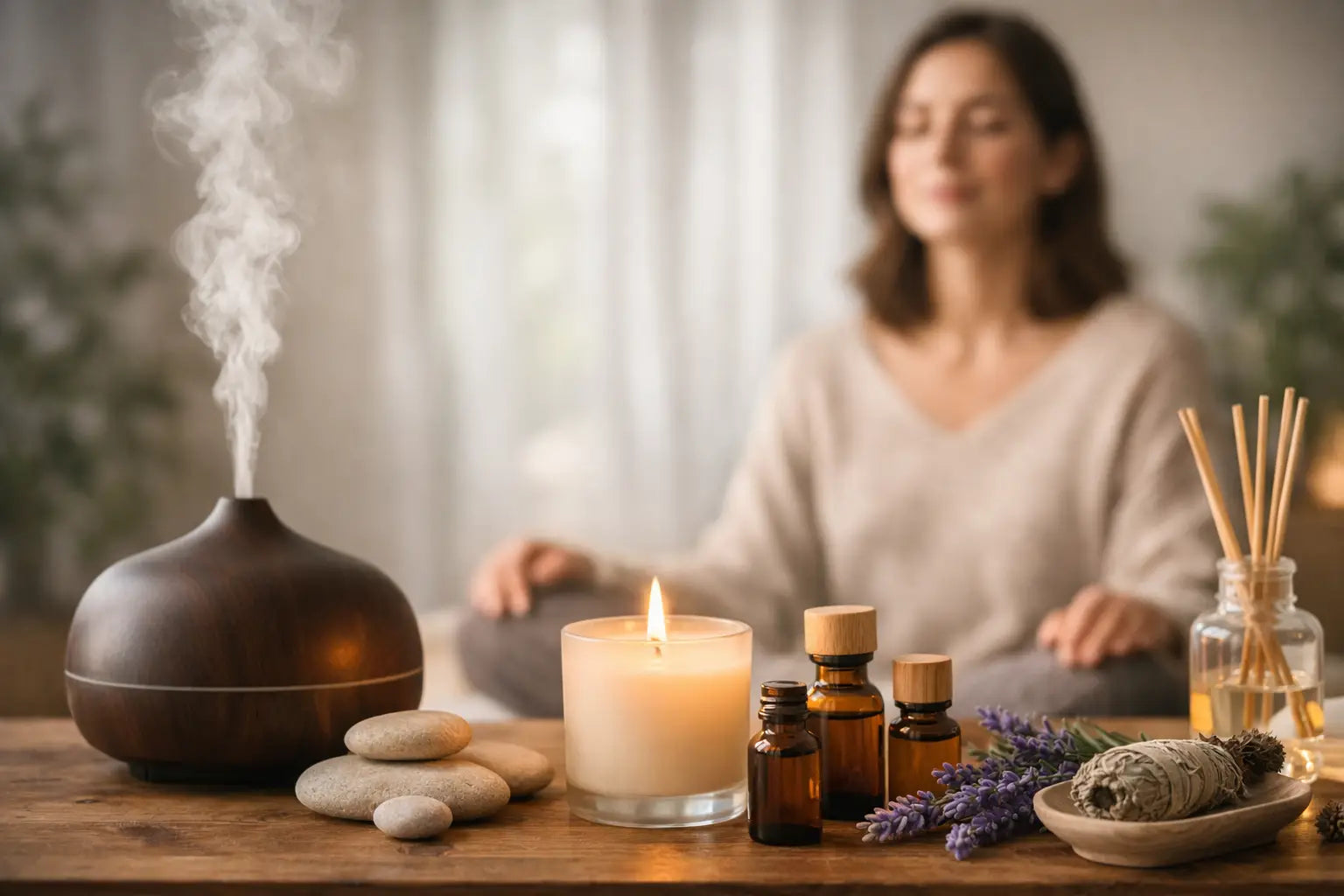
A candle offers warmth and ceremony, making it ideal for evenings at home. Never leave it unattended, and skip it when you need a quick calming moment in a shared or busy space. Reed diffusers provide a low-maintenance, continuous ambiance that works well in an entryway, bathroom, or bedroom, though their scent is less immediate and adjustable.
Perfume oils are more intimate. They stay close, travel easily, and can become part of a private confidence ritual before you step into the world. Because they are concentrated, begin with a small amount. If you have sensitive skin, patch-test first and discontinue use if irritation occurs.
For some people, a fragrance-free environment is the more calming choice. Migraines, asthma, allergies, pregnancy sensitivities, and sensory processing differences can change how aroma feels in the body. Keep scents light around children and pets, use them in ventilated spaces, and respect the preferences of anyone sharing your home.
Let your calm have a signature scent
There is no single fragrance that can erase anxiety on command. Yet there may be a scent that reminds you to unclench your hands, lower your shoulders, and give yourself a little more grace. It may be lavender and vanilla at night, bergamot in the morning, rose when your heart feels tender, or sandalwood when life asks you to stand firmly in yourself.
Choose the one that feels like relief, then let it become part of the way you care for your space, your body, and your peace.