Healing with Aromatherapy at Home
A scent can change the feel of a room before you say a word. One breath of something soft, warm, or bright can steady your nerves, bring back a beautiful memory, or help your body settle after a long day. That is the heart of healing with aromatherapy - using fragrance with intention to support emotional balance, comfort, and a greater sense of peace in your everyday life.
For many people, scent is not just background detail. It becomes part of how home feels, how confidence builds, and how the nervous system responds to stress. The right aroma can make your evening feel gentler, your morning feel clearer, or your self-care routine feel more complete. While aromatherapy is not a replacement for medical care, it can be a deeply supportive ritual when you want your environment and your body to feel more grounded.
What healing with aromatherapy really means
Healing with aromatherapy is often misunderstood as a single fix for stress, sadness, or fatigue. It is more personal than that. It is the practice of choosing scent to shape how you feel, how you move through your space, and how you reconnect with yourself.
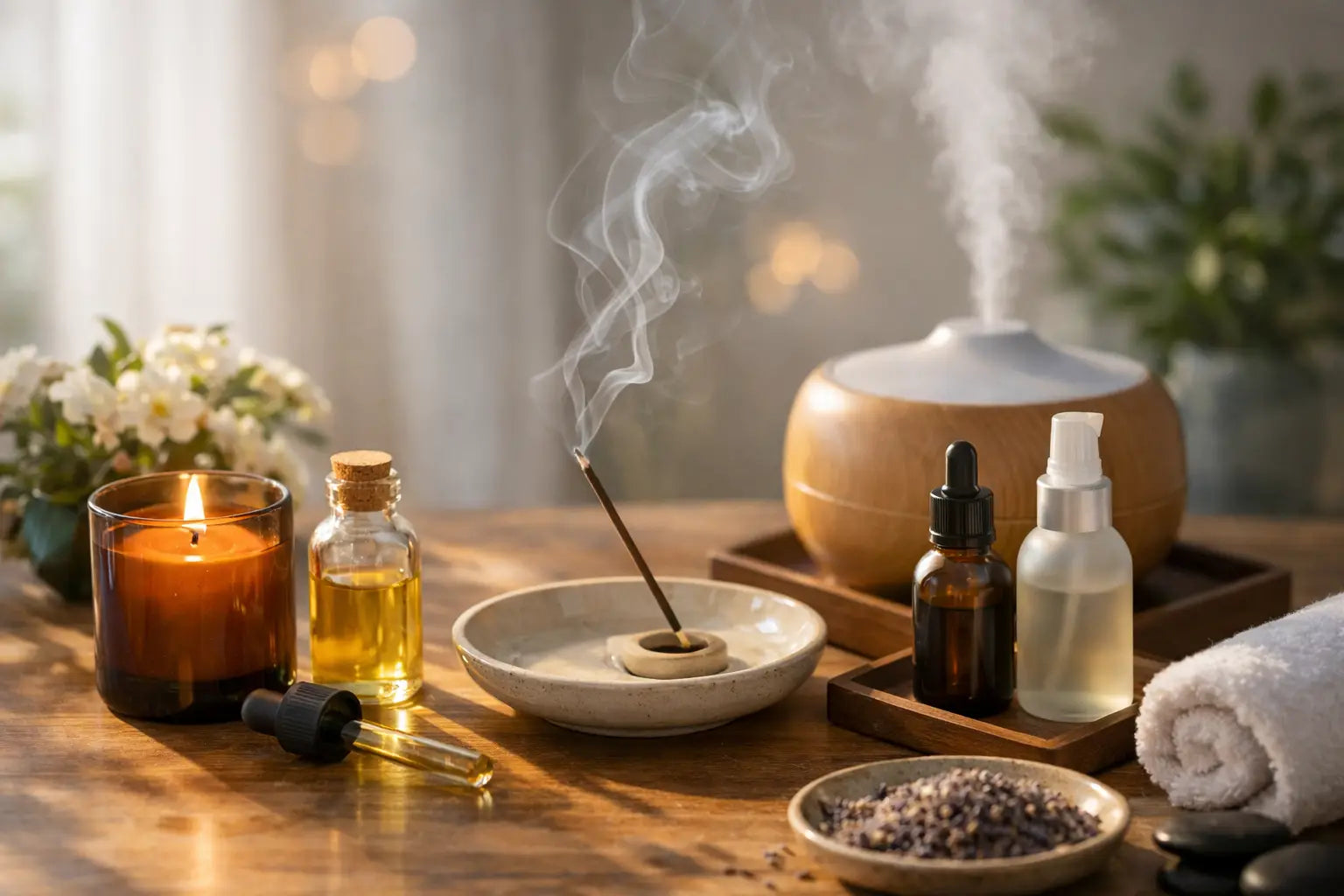
Sometimes that looks like lighting a candle with creamy vanilla and soft woods at the end of a demanding day. Sometimes it means applying a perfume oil that makes you feel centered, elegant, and emotionally held. Sometimes it is a diffuser in the background while you journal, pray, stretch, or simply sit still for five minutes.
The effect of scent is tied closely to memory and emotion. Fragrance reaches the parts of the brain connected to feeling faster than most of us realize. That is why one aroma can make you feel safe, another can make you feel energized, and another can remind you of someone you love. In that sense, aromatherapy is less about chasing perfection and more about creating moments of support.
Why scent can feel so emotionally powerful
We tend to think of healing as something dramatic, but often it begins in small sensory shifts. A room that smells clean, warm, and inviting can lower tension. A familiar fragrance on your skin can become a quiet signal that you are cared for. A bedtime scent can train your body to expect rest.
This is where aromatherapy becomes especially meaningful in modern life. We move fast, carry a lot, and rarely give ourselves full permission to reset. Scent offers a softer entry point. It does not ask for a major life overhaul. It asks you to pause, breathe, and notice what you need.
That need will not be the same every day. On anxious days, airy lavender, chamomile, soft musk, or powdery floral notes may feel soothing. On slow or heavy days, citrus, mint, eucalyptus, or crisp herbal blends may feel more awakening. When you want comfort, amber, sandalwood, vanilla, and cashmere-style notes often create a sense of warmth and emotional shelter.
There is some trial and error here. A fragrance that calms one person may feel too sleepy to another. A rich scent that feels luxurious at night may be too much in a work setting. Healing with aromatherapy works best when you let your own body and mood lead the choice.
How to use healing with aromatherapy in daily life
The most effective approach is not complicated. It is consistent. Small rituals tend to work better than occasional grand gestures because your mind begins to associate certain scents with certain states of being.
Morning rituals for clarity
If mornings feel rushed or emotionally flat, start with fragrance that brings light into the space. Fresh citrus, clean linen-inspired notes, delicate florals, or green botanical scents can make the day feel more open. A reed diffuser in your entryway or bathroom can set that tone without requiring any extra effort.
For personal fragrance, a soft but uplifting perfume oil can become part of your getting-ready ritual. The point is not only to smell beautiful. It is to create a feeling of presence before the demands of the day begin.
Evening rituals for release
Nighttime is where many people feel the emotional side of aromatherapy most strongly. This is the moment to trade stimulation for softness. Warm woods, creamy vanilla, amber, lavender blends, and mellow floral notes can help create an atmosphere that feels slower and safer.
A soy candle can make a room feel intimate in a way overhead lighting never will. The glow matters, but the scent matters too. It tells your body that work is over, that your shoulders can drop, and that the evening belongs to rest, reflection, or connection.
Fragrance as emotional armor
There are also days when healing looks less like rest and more like resilience. On those days, a signature scent can be a form of emotional support. It can help you feel polished, confident, and protected when you are walking into a difficult meeting, navigating grief, or simply trying to hold yourself together.
This is one reason perfume oils feel so personal. Worn close to the skin, they create a more intimate scent experience. They do not shout. They stay near, almost like a private reminder of your strength.
Choosing the right scent for the feeling you need
You do not need to memorize fragrance families to benefit from aromatherapy, but it helps to think in terms of emotional outcomes.
If you want calm, reach for notes that feel soft, clean, and rounded. Lavender, chamomile, sandalwood, cashmere musk, and gentle florals tend to support a quiet atmosphere. If you want comfort, deeper notes often work beautifully. Vanilla, amber, tonka, warm spice, and creamy woods can make a space feel nurturing and cocoon-like.
If your goal is focus, try scents with brightness and structure. Citrus, eucalyptus, rosemary, mint, and crisp herbal accords often help the mind feel less foggy. If you want romance or self-connection, florals, resins, soft fruits, and sensual woods can create a richer, more emotionally expressive mood.
What matters most is the question behind the fragrance: How do I want to feel? Once you start there, choosing becomes much easier.
Healing with aromatherapy in the home
Aromatherapy becomes more powerful when it is woven into the spaces where life actually happens. Your bedroom may need peace. Your living room may need warmth. Your office may need clarity. Your bathroom may need spa-like softness.
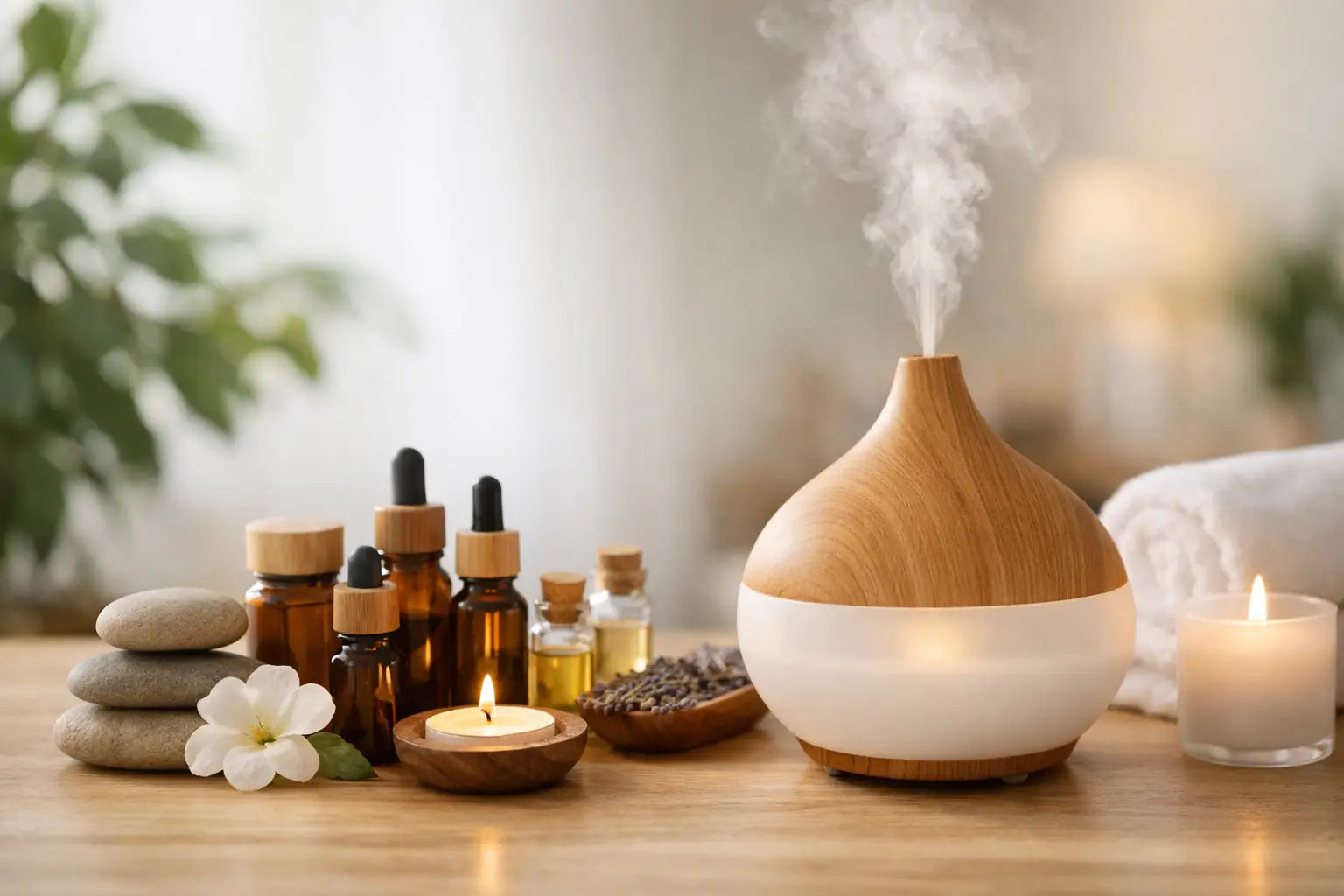
Different fragrance formats support different moments. Candles are ideal when you want atmosphere and intention. Reed diffusers are excellent for steady, low-effort scent throughout the day. Personal fragrance oils add a body-centered layer, which can make the experience feel more intimate and emotionally grounding.
There is also a trade-off to consider. Strong fragrance in every room can feel overwhelming rather than healing. A more refined approach is to let each space carry a gentle purpose. One scent for rest, one for freshness, one for comfort. When fragrance is curated instead of crowded, the emotional effect is cleaner and more memorable.
That is part of what makes artisan fragrance so special. A thoughtfully crafted scent does more than smell good. It shapes mood, identity, and environment in one quiet gesture. Brands like Marie’s Blazing Aromas understand that fragrance can be both a luxury and a form of care.
What aromatherapy can and cannot do
Scent can support healing, but it is not a cure-all. It may help you feel calmer, more centered, more awake, or more comforted. It may help create rituals that improve sleep habits, emotional regulation, or your sense of peace at home. Those are meaningful benefits.
At the same time, aromatherapy does not replace therapy, medical treatment, or deeper forms of support when they are needed. If you are dealing with chronic anxiety, depression, trauma, or sleep disruption, fragrance can be one layer of comfort, not the whole answer.
That truth does not make it less valuable. It makes it honest. Sometimes healing begins with one grounded breath, one softened room, one familiar fragrance that reminds you that you are safe enough to exhale.
Making the ritual your own
The most beautiful part of healing with aromatherapy is that it can be deeply personal. Your version may look like a candle lit before dinner, a diffuser running during meditation, or a warm perfume oil pressed into your wrists before you leave the house. It may be soft florals on hard days or rich amber when you need to feel held.
There is no perfect formula. There is only the practice of paying attention to what restores you. When you choose scent with care, fragrance becomes more than an accessory. It becomes part of how you love on yourself, how you shape your space, and how you return to your own calm one breath at a time.
Let your home smell like peace, and let your signature scent remind you that healing does not always arrive loudly. Sometimes it arrives gently, and that is enough.