
A Simple Guide to Fragrance Note Pyramids
A fragrance can feel like a first impression, a memory, and a quiet source of comfort all at once. This guide to fragrance note pyramids helps you understand why a scent may open with sparkling citrus, soften into petals or spice, and linger in a warm, skin-close trail long after the first moment has passed. Once you know how to read the pyramid, choosing a signature scent, a candle for your evening ritual, or a diffuser for your home becomes far more personal.
What Is a Fragrance Note Pyramid?
A fragrance note pyramid is a simple way of describing how a fragrance reveals itself over time. It is traditionally divided into three layers: top notes, middle notes, and base notes. Think of it less as a strict timeline and more as the story of a scent.
The top is the greeting. The middle is the heart. The base is the feeling that stays with you.
Each layer contains ingredients with different evaporation rates and personalities. Bright, airy materials tend to rise first. Fuller florals, fruits, herbs, and spices often shape the fragrance as it settles. Rich woods, musks, resins, and gourmands typically remain closest to the skin or in the room for the longest time.
That is why smelling a perfume straight from the bottle can be lovely, but incomplete. It is also why a candle that begins with fresh lemon may eventually make your space feel wrapped in vanilla, cedar, or amber. The fragrance was never just one note. It was designed to unfold.
The Three Layers of a Fragrance Note Pyramid
Top notes: the beautiful first hello
Top notes are the aromas you notice first. They create sparkle, lift, and immediate personality. Citrus notes such as bergamot, lemon, orange, and grapefruit are common top notes, as are crisp apple, juicy berries, fresh green leaves, airy marine accords, and light herbs like mint or basil.
These notes are often what make you pause and say, “Oh, that smells good.” They can feel bright, clean, romantic, playful, or energizing. Because they are made of smaller, more volatile aroma molecules, they usually fade faster than the rest of the composition.
In personal fragrance, top notes may last minutes to an hour or so, depending on the formula, your skin, and the weather. In a candle or diffuser, they may be most noticeable when you first enter the room or when the fragrance is freshly lit or released. Their purpose is not necessarily to last all day. Their purpose is to set the mood.
Middle notes: the heart of the scent
As the first brightness settles, middle notes begin to bloom. Also called heart notes, these materials give a fragrance its emotional center and often make up the largest part of its character.
Florals live beautifully here: rose, jasmine, peony, gardenia, lavender, magnolia, and orange blossom. So do warm spices such as cinnamon, clove, cardamom, and nutmeg, along with soft fruits, tea notes, aromatic herbs, and creamy accords.
If top notes are the introduction, heart notes are where you learn who the fragrance truly is. A perfume that begins with pear and bergamot may become a graceful floral bouquet. A home fragrance that opens with ocean air may settle into calming lavender and eucalyptus. This is the layer that often determines whether a scent feels feminine, unisex, sensual, soothing, polished, or cozy.
Base notes: the lasting embrace
Base notes give fragrance depth, warmth, and staying power. They are usually slower to appear, yet they can remain for hours on skin and create the lingering atmosphere in a room.
Common base notes include vanilla, sandalwood, cedarwood, patchouli, amber, musk, tonka bean, oud, leather, praline, incense, and soft powdery accords. They are the notes that can make a perfume feel velvety and intimate, a candle feel luxurious, or a diffuser make a space feel grounded and inviting.
A base note does not have to be dark or heavy. Clean musk can feel like freshly warmed skin. Blonde woods can feel smooth and modern. Vanilla can be creamy and comforting rather than overly sweet. The beauty is in the balance. A bright opening needs a foundation, and a deep base often needs a little light to keep it from feeling dense.
How to Read a Fragrance Note Pyramid Before You Buy
A note pyramid is a helpful preview, not a guarantee of exactly what you will smell. Two fragrances can share vanilla, jasmine, and sandalwood yet feel completely different because of proportion, quality, supporting notes, and the way the composition is built.
Start by looking for the notes you already love, but do not stop there. Notice where they appear in the pyramid. If you adore citrus but want something that feels warm and lasting, choose a fragrance with citrus on top and amber, vanilla, or woods at the base. If you love florals but prefer a fragrance that is not overly sweet, look for rose or jasmine paired with green notes, tea, musk, or soft woods.
It also helps to consider the mood you want to create. A bright top of grapefruit and mint with a heart of eucalyptus can feel clarifying for a morning routine or home office. Pear, peony, and vanilla may feel tender, confident, and beautifully giftable. Sandalwood, amber, and musk can create a more sensual, evening-ready presence.
The same fragrance family can serve different purposes. Lavender with lemon may feel fresh and restorative, while lavender with amber and tonka feels more like a nighttime exhale. The notes tell you what is inside, but the pairing tells you how it may make you feel.
Why Perfume Oils Wear Differently
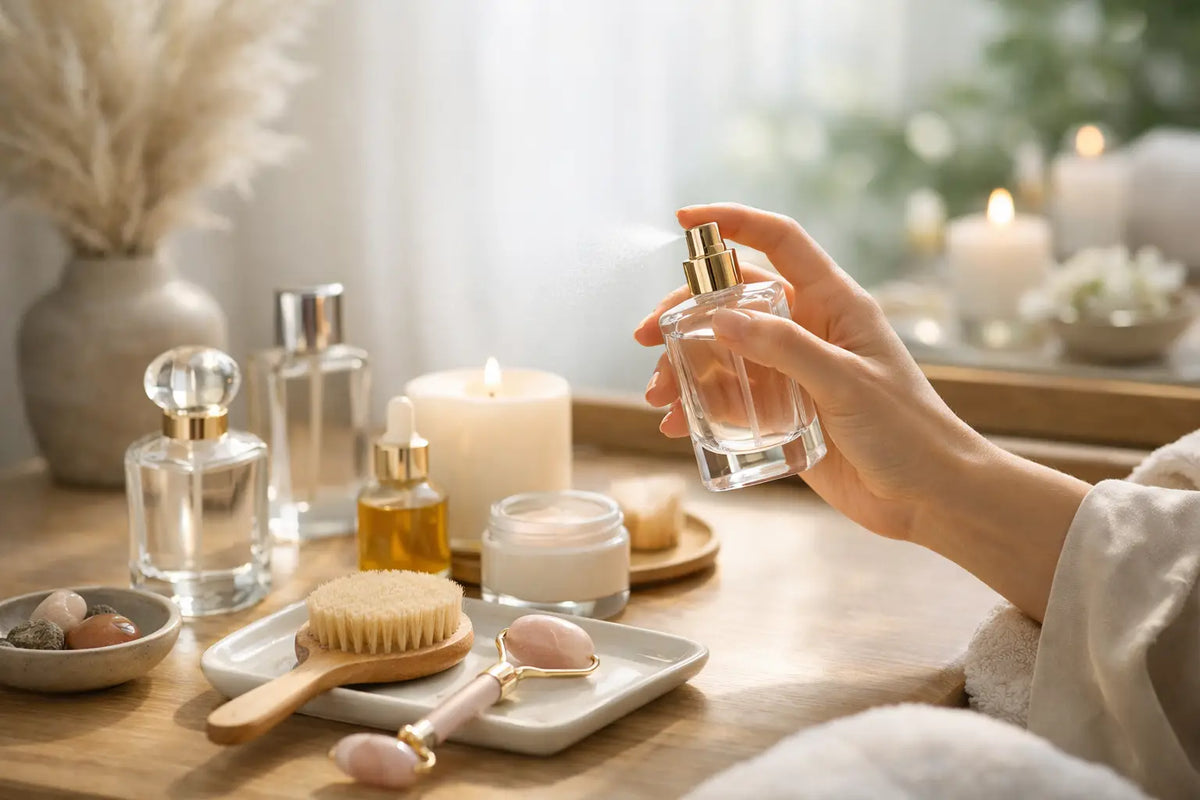
With alcohol-free perfume oils, the pyramid may reveal itself in a softer, more intimate way than an alcohol-based spray. Oils sit closer to the skin and can bloom gradually with your natural warmth. Instead of a loud burst at the beginning, you may experience a smoother transition from the opening to the heart and base.
Skin chemistry matters, too. Your skin’s natural moisture, body temperature, lotions, and even the climate can bring certain notes forward. Vanilla may feel richer on one person, while a white floral may shine more brightly on another. This is not a flaw in the fragrance. It is part of the personal ritual.
Give a perfume oil time before deciding how you feel about it. Apply a small amount to pulse points, then revisit it after 15 minutes, an hour, and later in the day. The scent that feels merely pretty at first may become the one that makes you feel most like yourself once the base notes settle in.
A Guide to Fragrance Note Pyramids for Home Scent
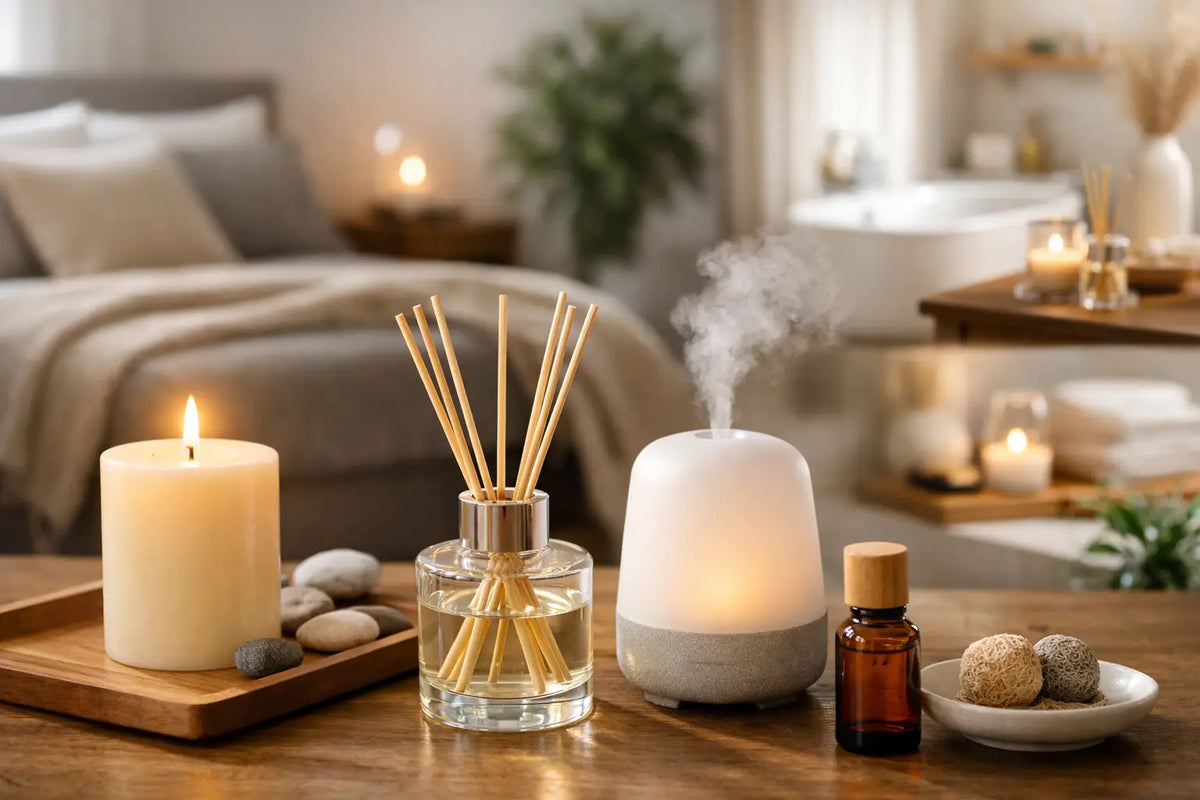
Candles and reed diffusers follow the same fragrance architecture, but the experience is shaped by the room. Airflow, room size, temperature, and placement all affect which notes you notice most.
A candle may release its top notes quickly when first lit, then develop more warmth as the wax pool expands. For the best experience, allow enough time for the candle to create an even melt pool according to its care instructions. Extinguishing it too quickly can mean you only experience the opening rather than the fuller heart and base.
Reed diffusers offer a more constant, gentle expression. Their brighter notes may be noticeable near the reeds, while woods, musks, and amber often create the lasting ambiance in the background. Flip the reeds when you want a fresh burst, but do not overdo it in a smaller room. A luxurious home fragrance should feel like an invitation, not an interruption.
For bedrooms and spaces meant for rest, consider pyramids with soft florals, lavender, cashmere-like musk, sandalwood, or vanilla. For kitchens and entryways, citrus, herbs, fresh fruit, and clean green notes can feel especially welcoming. Living rooms can hold more depth, making warm woods, amber, spice, or elegant floral blends a beautiful choice.
Let the Dry-Down Have Its Moment
The most common fragrance mistake is judging a scent only by its opening. A note pyramid reminds us to be patient with beauty. Citrus may fade, but it makes room for the petals. The petals may soften, but they reveal the warmth beneath them. What remains is often the part that feels most memorable.
At Marie’s Blazing Aromas, scent is meant to be more than a pleasant detail. It can become a small act of self-love, a marker of a peaceful home, or a quiet expression of confidence. When you understand the movement from top to heart to base, you can choose fragrance with more intention.
Let your next scent have time to speak. Wear it through an ordinary afternoon, light it before a slow evening, or let it welcome you home. The right fragrance does not need to announce who you are. It simply leaves you feeling more connected to yourself.